
Articol: Îngrijirea genții dumneavoastră din piele: un ghid din atelier
Îngrijirea genții dumneavoastră din piele: un ghid din atelier
O întrebare pe care o auzim adesea, de obicei șoptită cu o ușoară neliniște la finalul unei achiziții: cum o îngrijesc?
Iată adevărul liniștitor — o geantă din piele bine făcută nu cere mare lucru. Pielea a supraviețuit secole întregi înainte să existe balsamuri și spray-uri împotriva ploii. Ceea ce cere nu este efort, ci obișnuință: câteva practici mărunte, aproape invizibile, care hotărăsc dacă o geantă pare obosită la cinci ani sau magnifică la douăzeci.
Iată tot ceea ce le spunem clienților noștri, adunat într-un singur loc.
Obiceiurile zilnice
Purtați-o cu mâinile curate atunci când puteți. Pielea absoarbe — aceasta este natura ei. Cremele de mâini, parfumurile pulverizate direct și uleiurile unei zile lungi se așază, cu timpul, în suprafață. Nu aveți nevoie de mănuși; aveți nevoie doar de atenție.
Nu o supraîncărcați. O geantă întinsă zilnic dincolo de forma ei va păstra amintirea acelei întinderi. Dacă geanta dumneavoastră a început să se bombeze, nu cere un tratament — cere mai puțină încărcătură.
Lăsați-o să se odihnească. Asemenea pantofilor buni, o geantă trăiește mai mult prin rotație. O zi de odihnă îi permite pielii să elibereze umiditatea și să revină la forma sa.
Ritualul lunar
O dată pe lună — sau ori de câte ori vă trece prin minte — ștergeți geanta cu o cârpă moale și uscată. Atât. Acest singur obicei îndepărtează praful care altfel s-ar așeza în fibră și ar mătui suprafața.
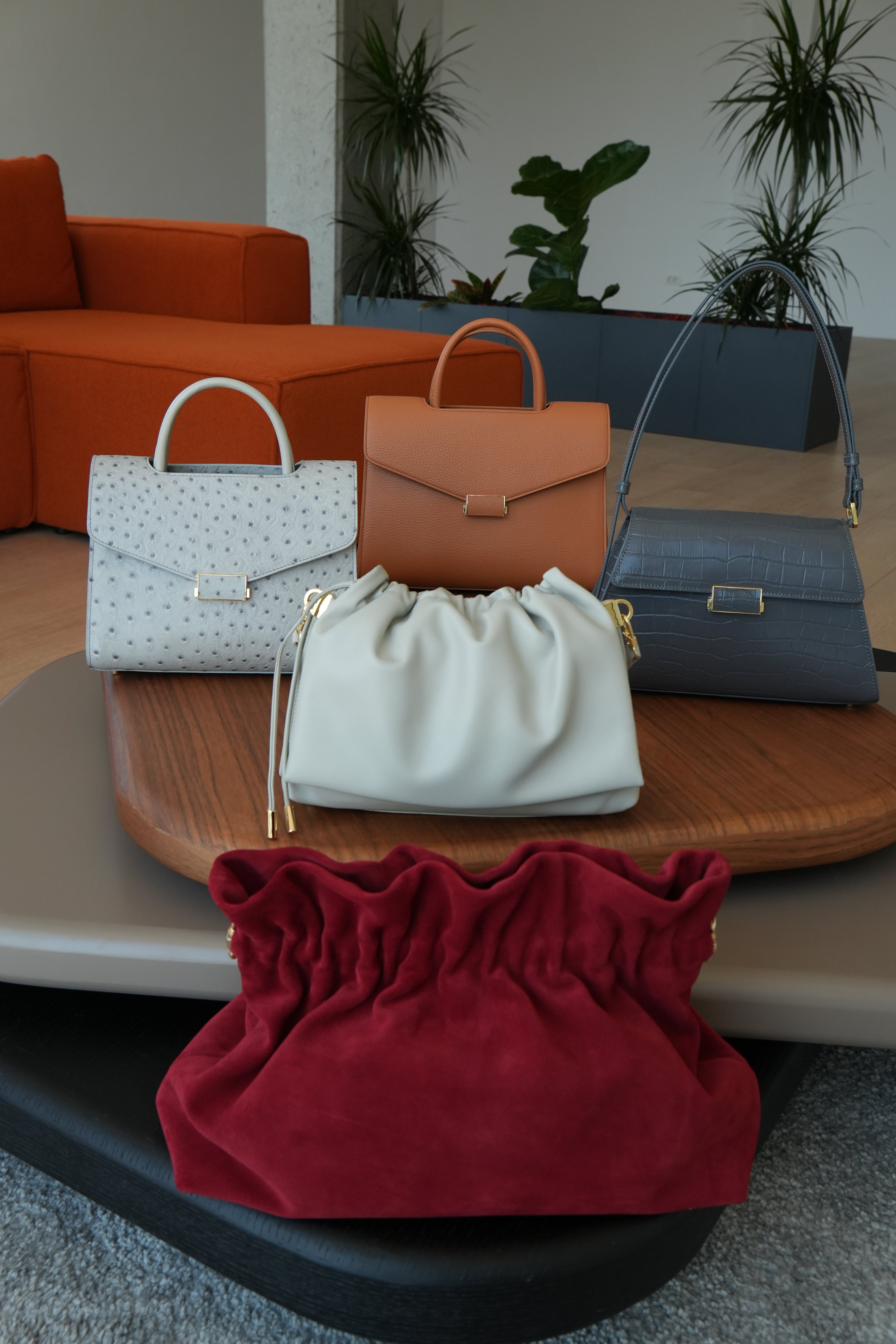
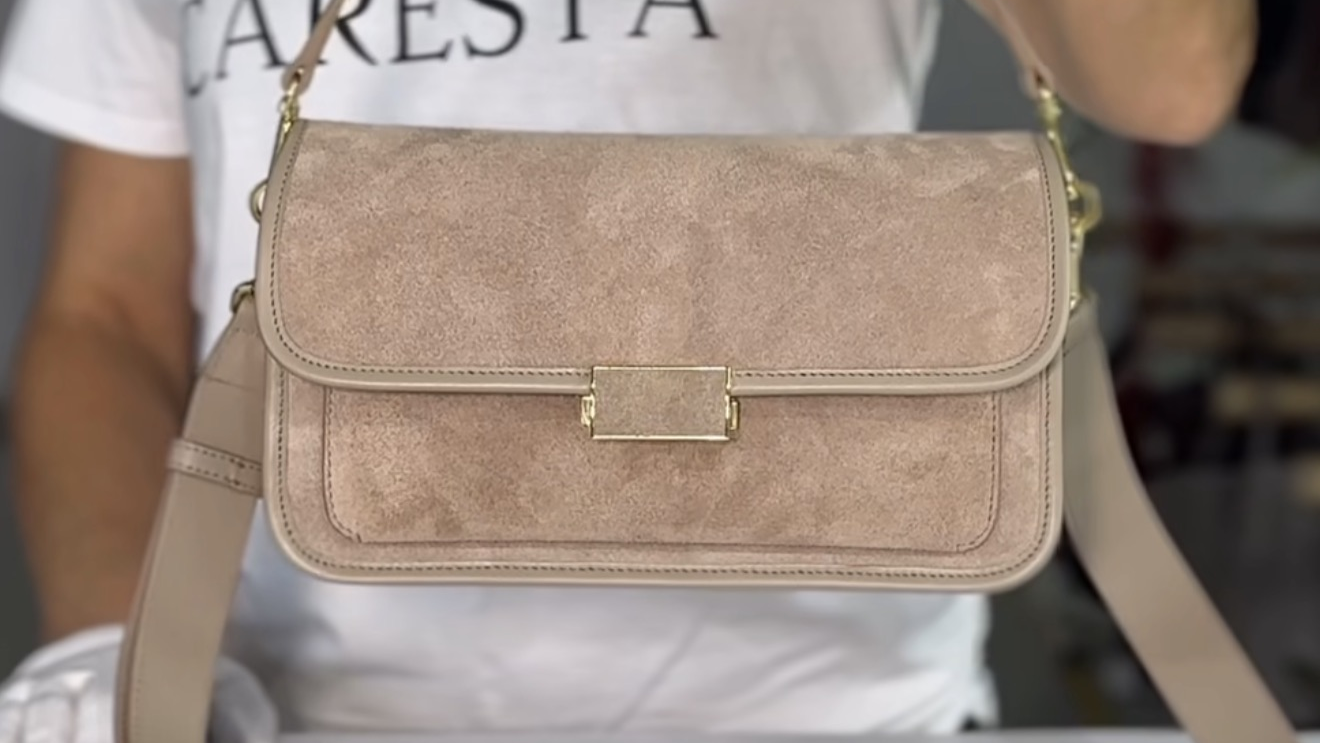
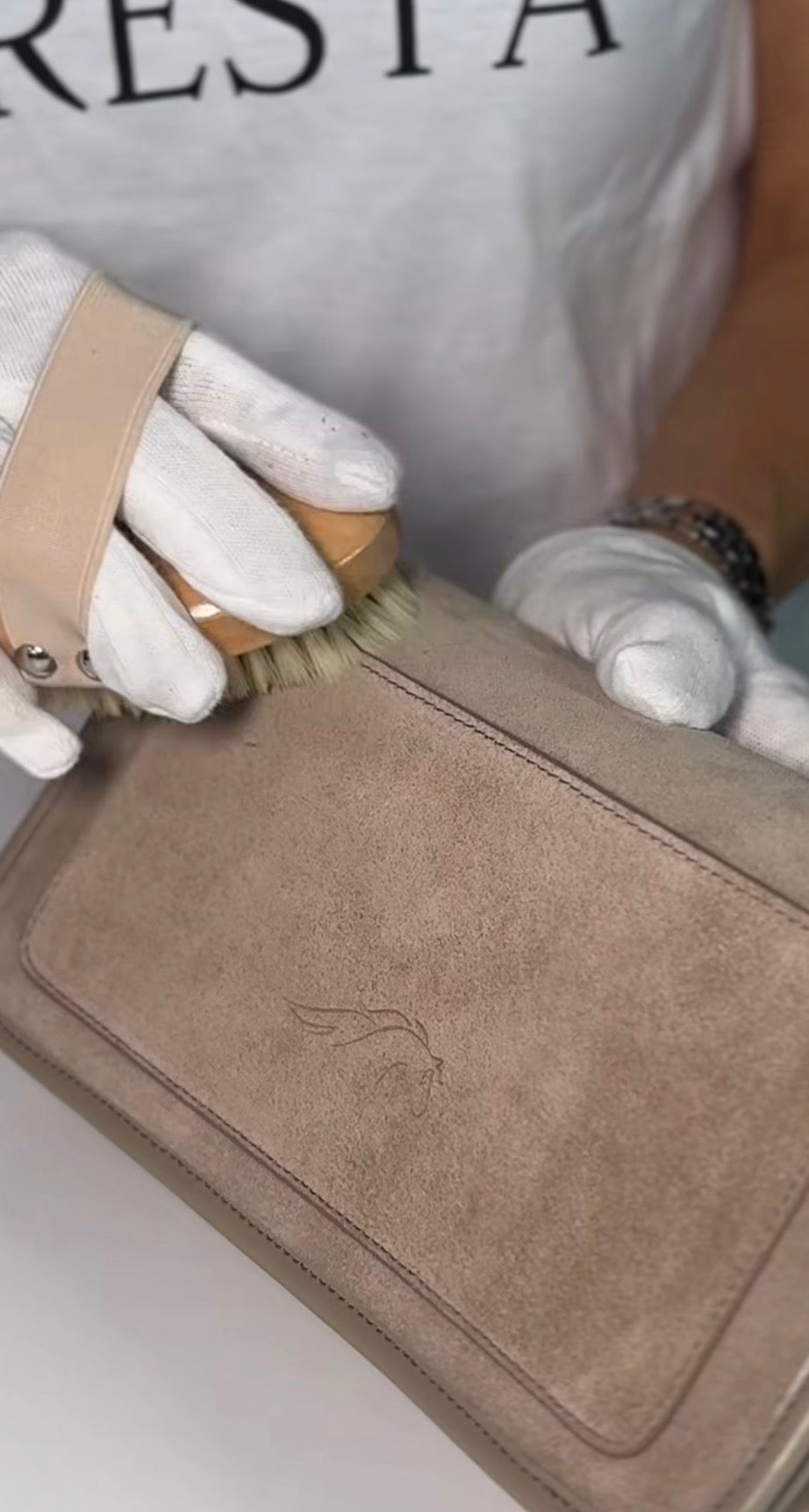
La fiecare două sau trei luni, pieile netede (Nappa, pebbled) apreciază o cantitate mică de balsam pentru piele, aplicat cu o cârpă moale în mișcări circulare, apoi lustruit. Testați întotdeauna mai întâi pe colțul de jos. Pieile texturate (crocodil, struț) cer și mai puțin: o cârpă uscată și, ocazional, o hidratare ușoară sunt de ajuns. Suede-ul este excepția — niciodată balsam, doar o perie pentru suede și un spray protector.
Ploaia, petele și alte mici drame
Ploaia: dacă geanta dumneavoastră este prinsă de ploaie, nu intrați în panică și nu o uscați lângă un calorifer — căldura este singurul lucru de care pielea se teme cu adevărat. Tamponați cu o cârpă uscată și lăsați-o să se usuce încet, la temperatura camerei, umplută ușor cu hârtie pentru a-și păstra forma.
Petele: acționați blând și din timp. Tamponați, niciodată nu frecați. Pentru orice depășește o urmă de suprafață — cerneală, ulei, transfer de vopsea de la denimul închis la culoare — rezistați tentației remediilor casnice și scrieți-ne; o încercare cu produsul greșit face, de obicei, mai mult rău decât pata.
Transferul de vopsea merită propriul avertisment: blugii noi, închiși la culoare, și pielea deschisă sunt un cuplu celebru cu un final nefericit. Țineți gențile de culoare deschisă departe de denimul nou.
Cum să o depozitați
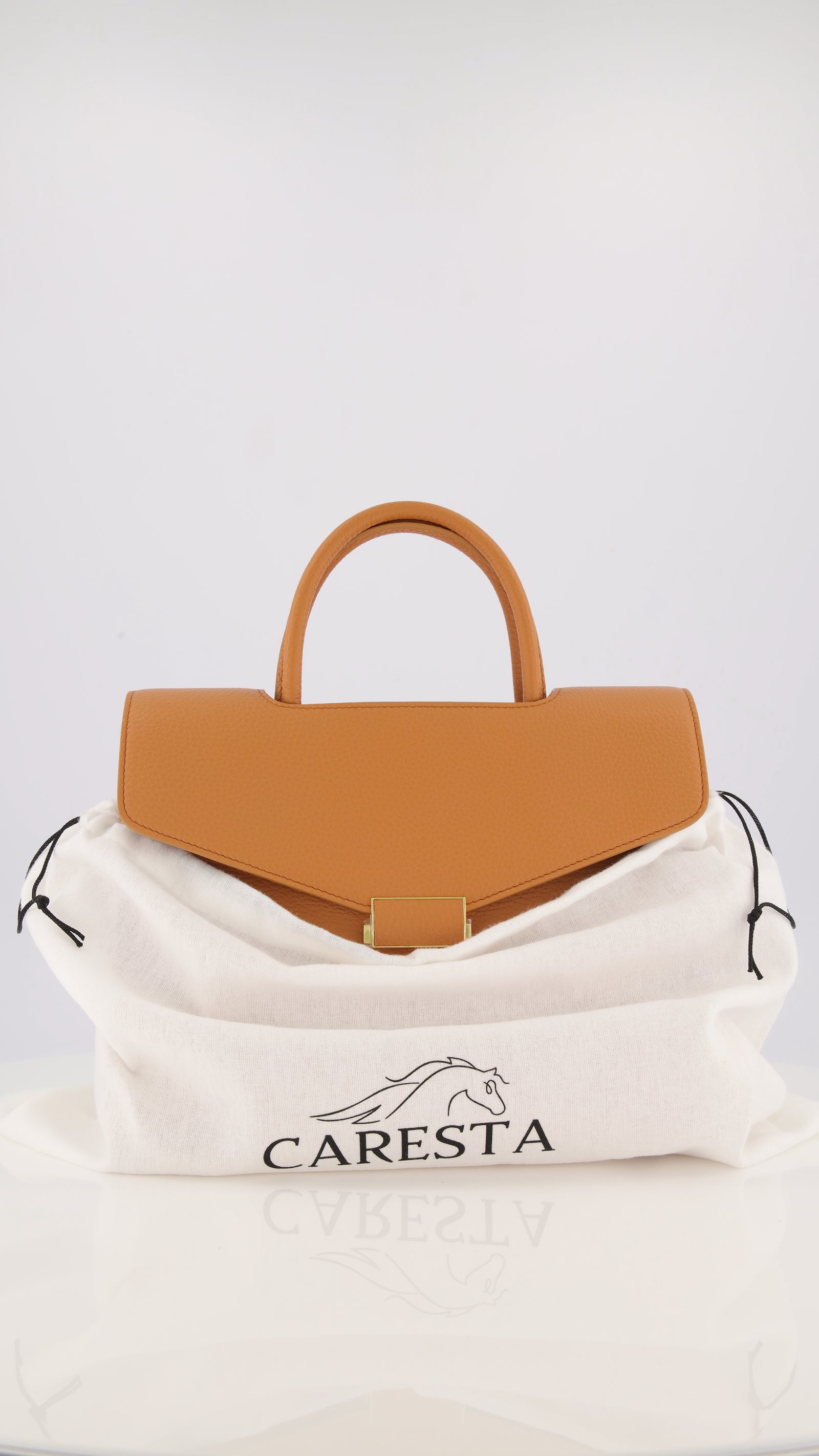
Atunci când o geantă se odihnește mai mult de câteva zile, ar trebui să se odihnească bine: umplută cu hârtie fără aciditate (nu ziar — cerneala migrează), în săculețul ei de protecție, așezată vertical într-un dulap — niciodată în plastic, care reține umezeala, și niciodată atârnată de mânere, care se întind.
Dacă depozitați gențile pe termen lung, lăsați-le să respire o dată pe sezon. Deschideți dulapul, deschideți săculețul, lăsați aerul să circule. Pielea este, la urma urmei, un material natural; îi plac aceleași condiții ca și dumneavoastră.
Ce înseamnă patina
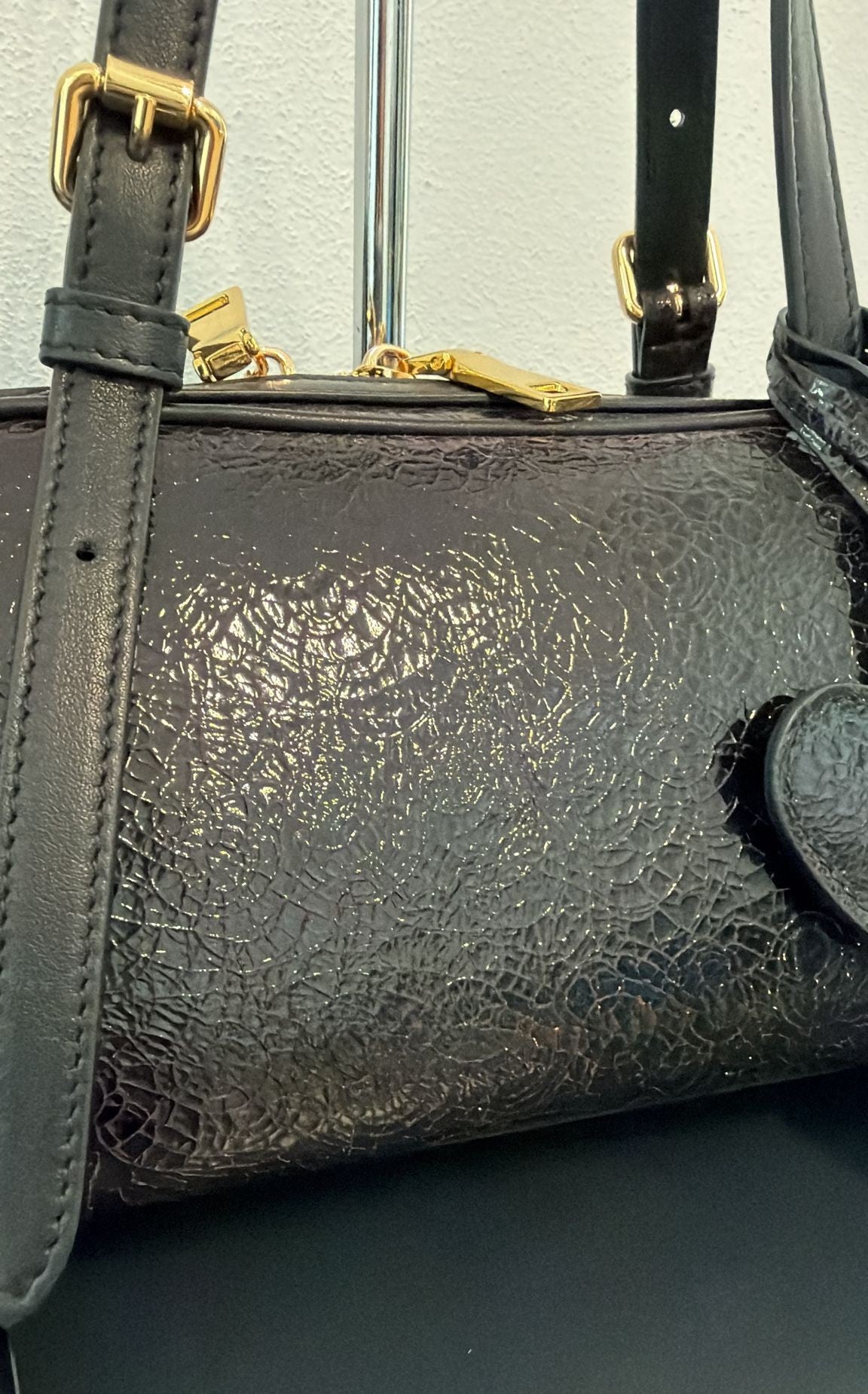
Un ultim lucru, și poate cel mai important. De-a lungul anilor, geanta dumneavoastră se va schimba: pielea se va înmuia acolo unde o atingeți, se va adânci ușor în nuanță, va căpăta un luciu care nu poate fi cumpărat nou. Aceasta este patina — felul pielii de a înregistra o viață.
Nu vă luptați cu ea. O geantă care a îmbătrânit frumos nu este o geantă uzată; este una personală. Munca noastră în atelier este să ne asigurăm că geanta dumneavoastră îmbătrânește așa cum ar trebui să o facă lucrurile bune — încet, cu grație și pe deplin a dumneavoastră.
Iar dacă CARESTA dumneavoastră are vreodată nevoie de mai mult decât obiceiuri — o cusătură reînnoită, o margine revopsită, accesorii împrospătate — atelierul nostru repară ceea ce face. Și aceasta face parte din luxul lent: am prefera să vă restaurăm geanta decât să vă vindem înlocuitorul ei.
— Atelierul CARESTA, Alba Iulia